
Kinda-Sorta
Writing My Novel: Progress Report #31

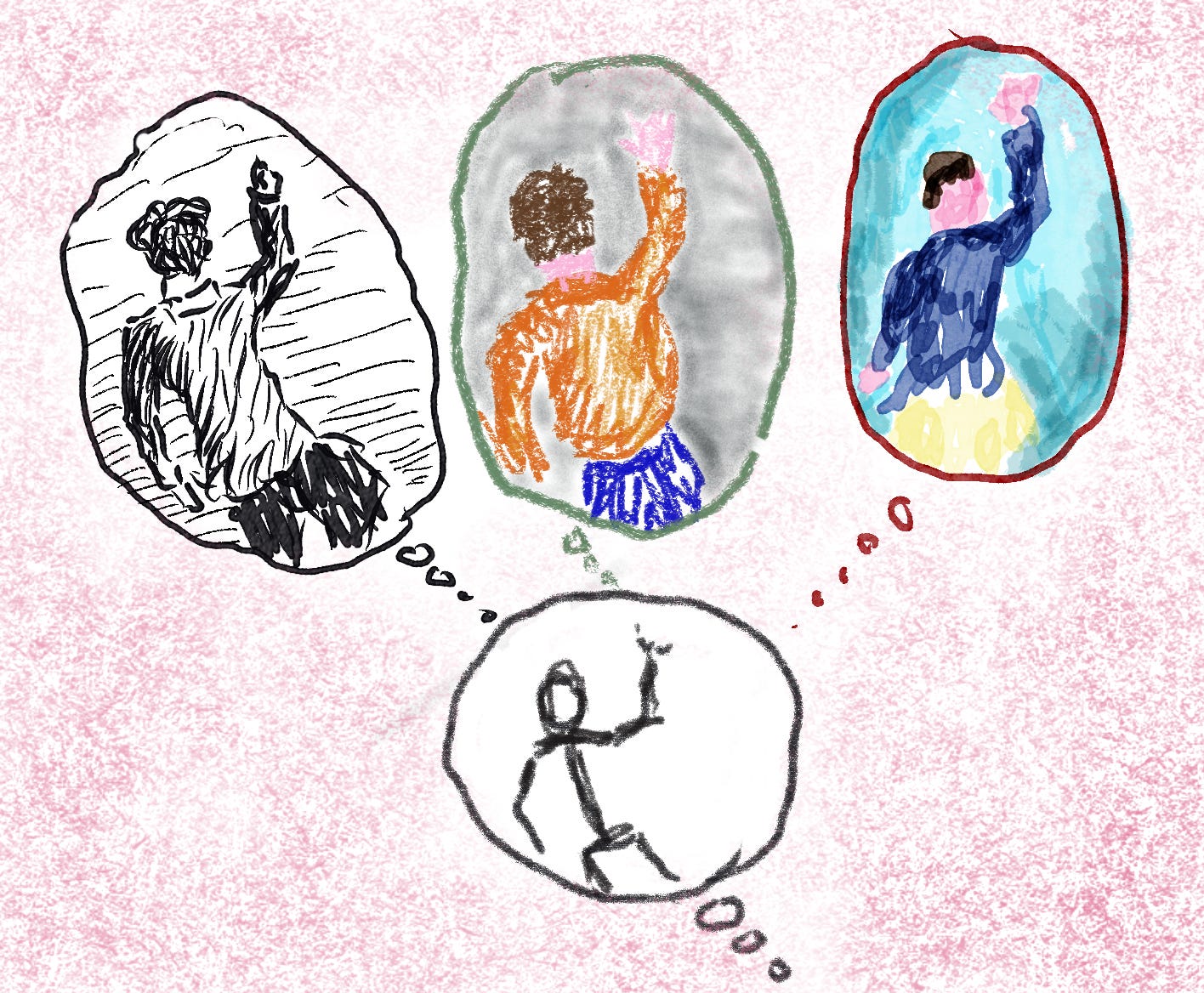
I start with a guess, a grope, a stab in the dark.
I have a huge landscape of rough paragraphs now, pages and pages of them. I know what each scene or sentence is about, what the feeling is, what it’s got to accomplish. And I can think of many ways to put each idea into words: “In the winter of 1937...” or “That winter, I...” or “Then at the start of December...” or “I was ready for the holidays, but in the first week of that December...”
So I try them out. I choose one. Now and then some decisive magic will kick in and I will know I’ve got it. But mostly I think: this one is kind of, sort of, doing the job as well as I can right now.
I know I don’t know. Yet. So I leave it there, as is, more functional than it was but not yet chosen.
Because I know, from years and years of doing this, that when I come back -- having written other pages, having forgotten this indecision -- I will see it. Later. It will be this one, or it will be, clearly, not. I will feel comfortable making a choice, then.
That’s where I am now. Pages and pages of kinda-sorta, with bits of precious form or light already starting to be visible in the mess.
I know that I have to push, but that I shouldn’t grind.
Each page a little better than it was. It feels good. It’s getting there.
I'm going to start pushing my students to aim for "Kinda-Sorta"!
This kinda-sorta resonates with me.
One thing I've learned is when you attempt to make artistic decisions when drafting, it's relatively easy to make artistic decisions that are creative, yet difficult to make artistic decisions about structure—about what fits and what doesn't and why.
It means you are at somewhat of a disadvantage when drafting.
But the best course of action is to go with what you've got in the moment. You can fix it later.
During the editing process, creative decisions rarely come to you because you're no longer using your unconscious mind to be creative, you're using your conscious mind to work on the structure.
When you're drafting, you're 'kinda-sorta' of in a version of the fictive dream similar to what the reader experiences. You're focused primarily in the moment that's on the page in front of you.
But when you're editing, you have a broader vision of the context, meaning you can make artistic decisions from your conscious mind, and you can have a better idea of whether a particular sentence or phrase or clause or paragraph fits into the structure properly.
That's what fixing it later is all about.
So everything comes down to a collaboration between your conscious mind and your unconscious mind. Since you can't use them together, or be in one state of mind at the same time you're in the other, they need to collaborate. They simply need to take turns.